

Why is business data useful for decision-makers? Raw results usually contain valuable data, but their meaning may be hard to identify without framework and context. Business Reporting offers an organized method to manage functional, economic, client, and performance information in order that groups may understand what is occurring and wherever interest may be required. When reporting is regular and available, organizations may shift from merely obtaining data toward deploying it as a functional administration resource.
What's the objective of business reporting ?
The principal function is to convert collected data into clear business insights. Studies would bring together crucial proportions from different functions and present them in a structure that supports evaluation. According to organizational wants, reporting may cover revenue task, expenses, production, customer conduct, inventory, project performance, and other functional indicators.

Exactly why is appropriate reporting important?
Information may eliminate realistic price when it occurs also late. Reasonable reporting offers managers a better view of current situations and allows them to examine substantial changes while they're still relevant. Regular reporting schedules also create consistency, supporting clubs compare current effects with previous intervals and identify building patterns.
Just how do dashboards help reporting ?
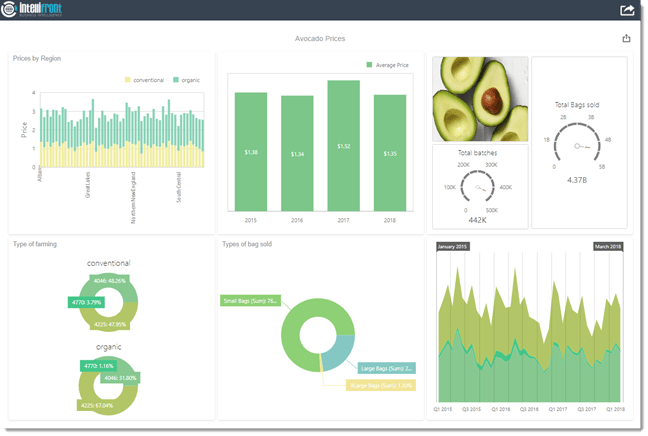
Dashboards give a visible environment for reviewing information in a consolidated format. Instead of looking through numerous documents, customers may study picked indicators and developments from a main view. Well-designed dashboards will make changes simpler to acknowledge and support consumers emphasis their interest on sizes that subject to certain business responsibilities.
What types of data can be involved?
The information involved is dependent upon the organization's objectives. Common reporting parts include revenue activity, charges, client metrics, workforce performance, catalog levels, support task, and detailed efficiency. Studies could also mix old data with recent measurements, creating a broader situation for interpreting business performance.
Just how can reporting increase decision-making?
Powerful reporting does not produce choices automatically. As an alternative, it provides decision-makers with structured evidence that will support evaluation. When managers can see consistent measurements, comparisons, and tendencies, they've a tougher basis for wondering applicable issues, analyzing unusual results, and considering appropriate actions.
Why is a business record efficient?
Clarity, precision, relevance, consistency, and supply are essential characteristics. A report comprising excessive data may make crucial conclusions tougher to identify. Alternatively, a concentrated record can spotlight the measurements many closely linked to business objectives. Apparent definitions and consistent reporting practices also support different teams interpret data in the exact same way.
How often must organizations review reports?
There is number universal schedule. Daily reporting might be right for fast-moving working activities, while regular or regular reviews may work for broader performance analysis. The correct volume depends how quickly problems change and how frequently managers require up-to-date information.
What's the long-term price of structured reporting ?
Structured reporting creates a repeatable approach to knowledge business performance. With time, regular documents may disclose continuing habits, adjusting points, and areas that deserve deeper examination. Combined with reliable analytics and well-defined efficiency signals, reporting may become an important element of an organization's broader data management strategy.